Monthly archives: February, 2026

Rerouting the Last Mile: How Workers Shape Sustainable Urban Logistics

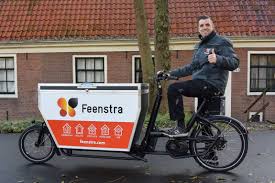
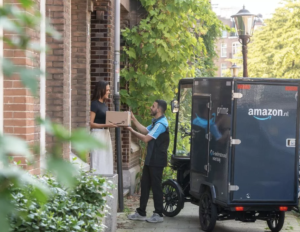
The last mile is undergoing a rapid technological shift. Logistics companies are electrifying their fleets and deploying new digital systems for routing, tracking, and delivery management. Artificial intelligence (AI) is increasingly built into these systems, promising lower emissions, shorter distances, reduced fuel use, and lower operating costs. But Hanbit Chang’s dissertation, Rerouting the Last-Mile: Contested …
Decarbonising construction logistics: the role of supplier-led consolidation

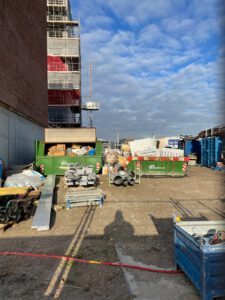
Construction logistics is increasingly recognised as a major blind spot in urban decarbonisation strategies. While attention has focused heavily on parcel delivery and retail freight, construction supply chains generate large freight flows, fragmented deliveries, and significant emissions in cities. This Emerald paper examines how supplier-led consolidation and integrated warehousing can reduce transport inefficiencies and embodied …

Sustainable City Logistics in: Advances in Transport Policy and Planning

Walther Ploos van Amstel, Bram Kin, Hans Quak, Nilesh Anand, and Ron van Duin are proud to present their latest book chapter, ‘Sustainable city logistics‘, which provides a literature overview of modalities in city logistics. Cities are rapidly moving from van- and truck-dominated freight toward multimodal, low-emission logistics systems. Alongside electric vans and trucks, previously …

Light electric freight vehicles in zero-emission zones: reshaping urban logistics and space

As cities introduce zero-emission zones, urban logistics is undergoing a fundamental transformation. This study examines how light electric freight vehicles (LEFVs) are being integrated into last-mile delivery in the Netherlands and how this transition reshapes logistics operations, urban infrastructure, and governance. Rather than focusing solely on vehicle technology, the paper highlights the organisational and spatial …

The economics of cargo bikes in city logistics: applications and business models

Growing pressure to decarbonise urban freight has intensified interest in cargo bikes as a low-emission alternative to conventional delivery vehicles. Grubmüller and colleagues provide a structured overview of how cargo bikes are currently used in logistics and of the emerging business models around them. Rather than focusing solely on environmental benefits, the paper examines the …

AI and LEFVs in City Logistics: Evidence from a Lisbon Last-Mile Case Study

The rapid growth of e-commerce has placed unprecedented pressure on last-mile logistics, now one of the most expensive and environmentally impactful segments of the supply chain. In response, Ferreira and Esperança (2025) investigate how integrating electric vehicles (EVs) and artificial intelligence (AI) can jointly transform urban delivery systems into more efficient, sustainable operations. Their study …

What is the value of urban logistics by water?

Amsterdam maps the business case for waterborne urban logistics: it is not automatically a ‘no-regret’ option. The City of Amsterdam has been exploring for several years whether water transport can play a larger role in urban logistics. A recent exploratory cost–benefit analysis compared the societal and financial impacts of waterborne transport with road transport and …

Dutch Cities Move to Regulate Parcel Locker Growth

The four largest Dutch cities are working on a covenant with parcel carriers and e-commerce retailers to gain more control over the rapid growth of parcel lockers and pickup points. Dutch newspaper FD reported this today. The trigger is the explosive increase in parcel lockers while municipalities still lack clear spatial planning policies. At the …

Doing more with less: what city logistics can learn from Picnic’s data-driven fleet

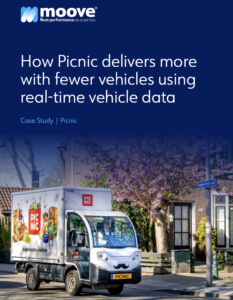
Urban logistics is under pressure. Cities want fewer vehicles, lower emissions, and less congestion, while home delivery demand continues to grow. The Picnic case shows that these goals are not mutually exclusive when data, operations, and vehicle technology are tightly integrated. Picnic operates one of Europe’s largest fully electric last-mile fleets, with around 4,500 custom-built …