Tag «construction logistics»

London presents: the construction playbook
The Construction Playbook (by Transport for London) sets out key policies and guidance for how public works projects and programs are assessed, procured, and delivered. The Construction Playbook captures commercial best practices and specific sector reforms outlining the government’s expectations of how contracting authorities and suppliers, including the supply chain, should engage with each other.


Research: methodologies for impact assessment of on-site and off-site construction logistics

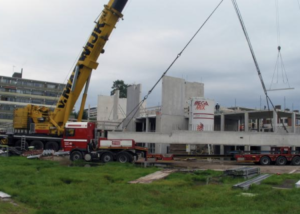
Urban construction projects are essential in reducing the housing deficit of the latest urbanization trend. As such, construction projects contribute to more attractive, sustainable, and economically viable urban areas once they are finished. However, construction work and construction material flow activities cause severe negative impacts on the surrounding community during the construction process.

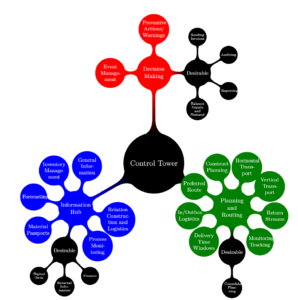
Designing a construction logistics control tower for city development

Construction logistics account for 35% of urban freight traffic and emissions in cities. With the growth in construction projects and the plans to reduce greenhouse gas emissions, better coordination of construction logistics for city development is necessary. TUDelft student Tom Tesselaar wrote his thesis about designing a construction logistics control tower for city development.

FORS making city logistics safer

The Fleet Operator Recognition Scheme (FORS) is a voluntary accreditation scheme for fleet operators that aims to raise the level of quality within fleet operations and to demonstrate which operators are achieving exemplary levels of best practice in safety, efficiency, and environmental protection.

What potential is there for coordinating demolition waste in urban construction logistics?

The largest waste types in construction projects are surplus rock, stone fractions and other construction- and demolition waste, with a large potential for reuse and recycling. In order to fulfill national and international goals of 70 % material recovery from construction and demolition projects, it is necessary to facilitate adequate management of these waste flows.