Category «Research»

Concept of the knowledge-based city logistics: problems and solutions
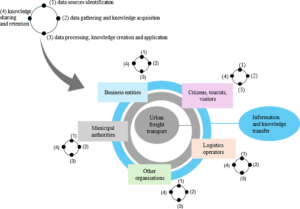
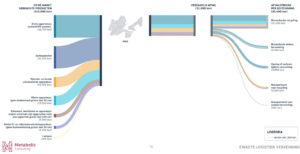
Efficient city logistics is crucial for creating innovative, sustainable cities that prioritize the well-being of their residents. However, despite the critical importance of city logistics processes, many cities struggle to improve them. While emerging technologies are increasingly used, it is questionable whether implementing technological tools and filling cities with sensors alone can adequately address the …


Operational performance of light electric freight vehicles in the last mile: two Nordic case studies

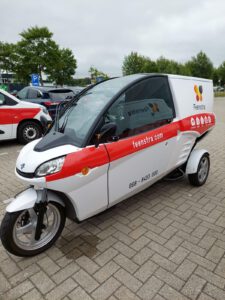
A recent paper aims to provide operational insights into the use of cargo cycles, utilizing delivery data from two case studies and interviews. It demonstrates the circumstances under which cargo cycles can complement vans effectively. Cargo bikes can only replace certain activities within a transport system. Their practical implementation in cities depends on various factors, …

A systematic literature review of last-mile E-commerce delivery in urban areas

A new paper examines the impact of e-commerce on urban last-mile distribution through a comprehensive analysis of scientific studies. A corpus of 317 publications spanning two decades was reviewed, identifying 111 pertinent sources. Utilizing bibliometric analysis and systematic assessment, the study comprehensively reveals the effects of e-commerce on last-mile delivery. Key findings encompass environmental, economic, …

What are the opportunities of e-waste for Dutch logistics companies?

The Netherlands, with a less than 50% collection rate, does not meet European standards for e-waste; there is too little waste of electrical and electronic equipment (WEEE) returned by consumers and businesses. Besides better collection and processing of e-waste, reducing use by limiting consumption, extending product lifespan, reuse, and repair is essential for a circular …

Assessing the opportunity of electric vehicles in service trips

A recent paper evaluates the impact of using electric vehicles for urban service trips, explicitly focusing on delivery and installation services and reverse logistics. These aspects of commercial traffic in urban areas have been under-explored. Most recent research on commercial traffic addresses shop restocking, service visits to establishments, and e-commerce deliveries but has paid little …

Unraveling the last-mile conundrum: autonomous delivery robots, cargo bikes, versus light commercial vehicles

A recent study addressed the growing need for efficient delivery services in the expanding e-commerce sector, focusing on real-life consumption data. It proposed a comprehensive modeling framework to evaluate the efficiency of various transportation modes, including Light Commercial Vehicles (LCVs), cargo bikes, and Autonomous Delivery Robots (ADRs). Drones were not included in this study. Utilizing …

Using Amsterdam waterways for city logistics

A recent study by Dutch TNO explores the potential of shifting transportation modes from roads to waterways to mitigate adverse externalities like CO2 emissions, congestion, and air pollution associated with last-mile construction logistics in urban settings. The investigation was carried out within the framework of the Amsterdam Vaart! project, where the transportation activities of sixteen …

CIDAUT uses artificial intelligence to monitor use of parking spaces

CIDAUT, in collaboration with the Valladolid City Council, is implementing various initiatives to enhance urban transportation, making it smarter and more sustainable. Among these initiatives, which encompass connectivity solutions and the decarbonization of mobility, researchers would like to introduce one focused on monitoring vehicles utilizing designated charge and discharge parking slots, particularly intended for last-mile …

Study finds electric buses can be powered by existing metro network in Amsterdam

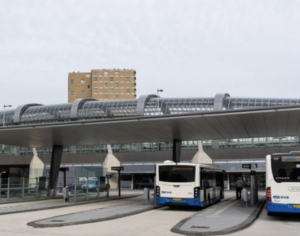
AMS Institute, in collaboration with Amsterdam GVB and TU Delft’s public transport operators, has explored the integration of new electric bus chargers into the existing but underutilized energy infrastructure: the metro grid of the Noord-Zuidlijn in Amsterdam. The project devises a strategy to alleviate grid congestion, reduce greenhouse gas emissions, and minimize energy costs while …

Ride-sourcing platforms thrive on socio-economic inequality

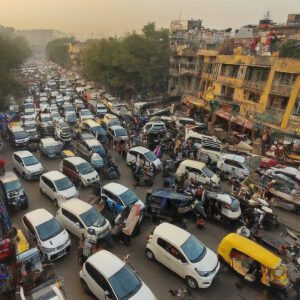
Limited market share data suggests that ride-sourcing platforms may thrive in environments characterized by socio-economic inequality. This phenomenon is likely due to the availability of cheap labor and a higher proportion of travelers willing to pay above-average prices for time savings and comfort. To investigate this relationship, TU Delft researchers utilized an agent-based simulation model …