Tag «charging infrastructure»

Fraunhofer ISI: charging electric trucks is a location question, not a blanket problem
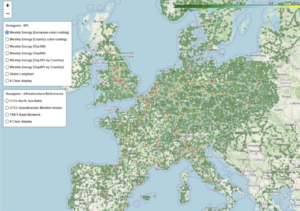
One of the most common objections to battery-electric trucks is charging infrastructure. Long-haul electrification, the argument goes, would require huge charging parks everywhere and grid reinforcement across the board, so hydrogen or e-fuels must remain essential. A new report from Fraunhofer ISI and the International Council on Clean Transportation (ICCT) suggests otherwise. Demand clusters in …

ICCT Principles on Commercial Fleet Electrification and the Distribution Grid

The International Council on Clean Transportation (ICCT), working with leading EV deployment practitioners, has published nine principles to close a structural gap: vehicle electrification is outpacing utilities’ ability to energize the charging infrastructure that supports it. Left unaddressed, this mismatch risks higher electricity prices, slower EV adoption, and the erosion of public support for electrification. …

Shared Charging Hubs: A Missing Piece in Zero-Emission City Logistics?

The transition to electric urban freight vehicles is often presented as a straightforward vehicle-replacement exercise: replace diesel vans and trucks with electric ones, and emissions disappear. In reality, the challenge is much broader. Vehicle range, charging time, route planning, grid capacity, and charging infrastructure all become critical operational variables. A recent Italian study examines one …

Depot Charging Demands More Than a Plug: Space Is the New Bottleneck

On 30 January 2026, through the distribution market sector of Transport en Logistiek Nederland, we made an inspiring company visit to Lidl Netherlands in Almere. The visit focused on their sustainability vision and the layout of their charging yards. Lidl demonstrated how they have structurally integrated electric transport into their logistics operations and how charging …

Study finds electric buses can be powered by existing metro network in Amsterdam

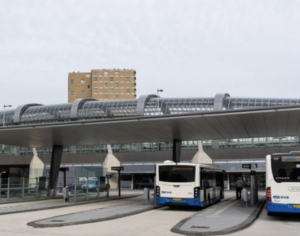
AMS Institute, in collaboration with Amsterdam GVB and TU Delft’s public transport operators, has explored the integration of new electric bus chargers into the existing but underutilized energy infrastructure: the metro grid of the Noord-Zuidlijn in Amsterdam. The project devises a strategy to alleviate grid congestion, reduce greenhouse gas emissions, and minimize energy costs while …

➤