Tag «circular economy»

What are the logistical challenges of using circular construction materials?
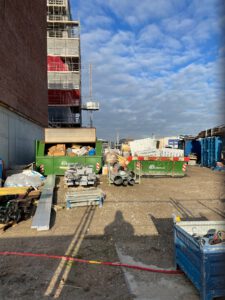
Circular construction materials have been reused or recycled to reduce waste and promote sustainability. However, while using circular materials in construction has many benefits, logistical challenges must be addressed. Some of the critical logistics challenges with circular construction materials include: Sourcing: Finding a reliable and consistent supply of circular materials can be challenging. It requires …
Research: towards a smart urban e-waste system

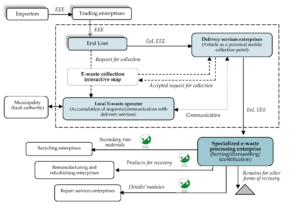
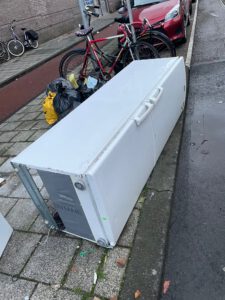
Efficient electronic waste (e-waste) management is one of the strategies to save materials, critical minerals, and precious metals with limited global reserves. The e-waste collection issue has gained attention in recent years due to low collection rates of e-waste. Shevchenko et al. (2021) aim to search for solutions in the e-waste collection sphere with close-to-zero transport and …

Research: identifying barriers and enablers for circular economy business models

Circular economy business models (CEBMs) are identified as essential levers in the transition to a circular economy (CE). In recent years, a growing body of research has examined the barriers and enablers to these models; however, the available empirical evidence still needs to be improved while sector-specific assessments are lacking. A recent study aims to enrich the …

Industrial symbiosis is essential to the circular transition

The European Commission aims for a full circular economy (CE), which will reuse all resources in 2050. Implementing circular urban supply chains is a major economic transformation that can only work if significant coordination problems between the actors involved are solved. This requires, on the one hand, the implementation of efficient urban collection technologies, where process …

Urban waste is a new challenge for city logistics

Recycling activities are complex and involve many actors. Recycling supply chains are under increasing pressure due to higher volumes of waste and rising requirements regarding the treatment and quality of the secondary raw materials. The global generation of municipal solid waste is estimated to be two billion tons per year.