Tag «lefv»

Light electric freight vehicles in zero-emission zones: reshaping urban logistics and space

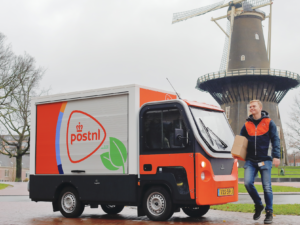
As cities introduce zero-emission zones, urban logistics is undergoing a fundamental transformation. This study examines how light electric freight vehicles (LEFVs) are being integrated into last-mile delivery in the Netherlands and how this transition reshapes logistics operations, urban infrastructure, and governance. Rather than focusing solely on vehicle technology, the paper highlights the organisational and spatial …

AI and LEFVs in City Logistics: Evidence from a Lisbon Last-Mile Case Study

The rapid growth of e-commerce has placed unprecedented pressure on last-mile logistics, now one of the most expensive and environmentally impactful segments of the supply chain. In response, Ferreira and Esperança (2025) investigate how integrating electric vehicles (EVs) and artificial intelligence (AI) can jointly transform urban delivery systems into more efficient, sustainable operations. Their study …

Doing more with less: what city logistics can learn from Picnic’s data-driven fleet

Urban logistics is under pressure. Cities want fewer vehicles, lower emissions, and less congestion, while home delivery demand continues to grow. The Picnic case shows that these goals are not mutually exclusive when data, operations, and vehicle technology are tightly integrated. Picnic operates one of Europe’s largest fully electric last-mile fleets, with around 4,500 custom-built …

Operational performance of light electric freight vehicles in the last mile: two Nordic case studies

A recent paper aims to provide operational insights into the use of cargo cycles, utilizing delivery data from two case studies and interviews. It demonstrates the circumstances under which cargo cycles can complement vans effectively. Cargo bikes can only replace certain activities within a transport system. Their practical implementation in cities depends on various factors, …

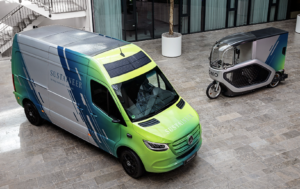
ONOMOTION cooperates with Mercedes-Benz Vans for efficient solutions along the last mile

ONOMOTION, a Berlin-based company that specializes in electric cargo bikes, and Mercedes-Benz Vans are revolutionizing last-mile logistics efficiency by integrating cargo bikes with eSprinter. Collaboratively, ONOMOTION and Mercedes-Benz Vans have enhanced the technology demonstrator SUSTAINEER, built on the foundation of the Mercedes-Benz eSprinter. Through the partnership between the SUSTAINEER and the e-cargo bike ONO, Mercedes-Benz …

Light Electric Freight Vehicles: beyond the hype

The advancements in city logistics are fostering a rise in smaller, time-sensitive deliveries. Over the past decade, the parcel market has expanded, driven by emerging business models like ship-from-store (B2C and B2B) and quick commerce. Additionally, companies are increasingly emphasizing sustainability. To tackle the challenges of quicker delivery demands, clean transportation (low/zero-emission), and limited space …

Multi-criteria assessment framework for the potential of cargo bike operations

Making deliveries in crowded urban areas can be challenging for commercial vehicles, producing additional negative externalities. In recent years, cargo cycles, including bicycles and tricycles, either man-powered or electric-powered, have been considered a promising alternative for making last-leg delivery. Although cargo cycles have various benefits, the operations are still limited by the nature of the …

Explaining the growth in light electric freight vehicles

Van Duin, Ploos van Amstel and Quak (2022) wrote a chapter in Innovations in Transport explaining the growth in light electric freight vehicles. Literature on ex-post analysis based on real cases with LEFV usage is limited. The application of the Technological Innovation System (TIS) framework can provide insight into the cumulative systematic change toward more …