Category «Policies»

Data Sharing: The Missing Link in Zero-Emission City Logistics

Cities across Europe are under pressure to deliver cleaner, safer, and more efficient urban logistics. With zero-emission zones expanding, e-commerce booming, and construction traffic reshaping streets, the need for reliable data on freight flows has never been greater. The recent recommendations of the Expert Group on Urban Mobility (EGUM) highlight how data sharing can unlock …


Regulatory Sandboxes: Accelerating Innovation in City Logistics

 City logistics is under pressure. Zero-emission zones are rolling out, streets are busier than ever, and public space is scarce. At the same time, new technologies and business models are emerging—from e-cargo bikes and autonomous robots to digital curb management platforms and microhubs. The challenge is clear: how do we create room to experiment, without …

City Logistics: Moving Forward Together

Delivering goods safely and cleanly – and collecting waste efficiently – in our city centers is a significant challenge. This is especially true since the introduction of zero-emission zones on January 1, 2025, while urban populations continue to grow. The Netherlands Environmental Assessment Agency (PBL) predicts that by 2035, the four largest cities will experience …

Smarter Kerbside Management Shows Strong Results for London’s High Streets

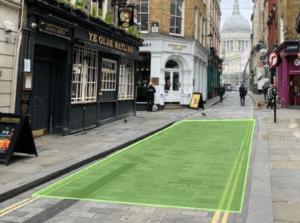
A new report from London’s Cross River Partnership (CRP) highlights how digital kerbside management can transform freight operations and urban air quality. In collaboration with Grid Smarter Cities, CRP piloted a network of eight Virtual Loading Bays (VLBs) across London. Kerbside Management Technology Kerbside Management Technology is designed to dynamically manage urban kerb space, helping …

Zoning for Health Equity in Urban Freight: A Critical Opportunity

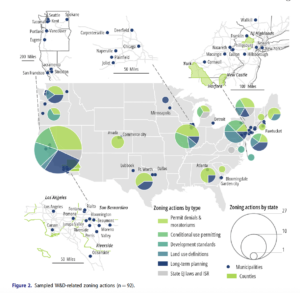
The rapid growth of warehousing and distribution (W&D) centers across U.S. cities is reshaping urban freight systems. As demand for fast deliveries climbs, logistics facilities are moving closer to residential areas, raising serious concerns about health risks from increased freight traffic. Communities already burdened by industrial activity are particularly vulnerable to the noise, air pollution, …

Smarter Planning for Loading Docks in New Developments

A newly completed project by Transport for NSW, the University of Melbourne, and iMOVE has developed a robust and user-friendly model to help city planners, developers, and transport authorities better assess loading dock needs in new buildings. The report is now available for download. As cities focus more on livability and placemaking, space for freight …

Decarbonizing last-mile deliveries: When the national strategy fails to meet local needs and expectations

How do local governments in England view the future of low-carbon last-mile logistics? A recent study sheds light on the views of 35 local authorities and offers a deeper understanding of what’s needed to make sustainable urban freight a reality. The key takeaway? Behavior change and collaboration may be more powerful than technology alone—though far …